2025 Market Recap: Resilient but Soft
Retail real estate showed resilience in 2025 despite softening demand and rising store closures. Net absorption fell by 13.1 million s.f. before stabilizing in the third quarter, and leasing volume slowed. Still, vacancy rates held near historic lows thanks to limited new construction and strong demand for prime locations, according to Cushman & Wakefield and Colliers.
Vacancy Stability Despite Weak Demand
National retail vacancy held at 5% in 2025, with open-air centers at 4.5% to 4.7% and malls at 9% or higher, according to Marcus & Millichap. Limited construction since 2020 has kept rates tight even as demand softened.
Investment Climate: Positive Momentum into 2026
Cap rates stabilized at 6.8% in 2025, and transaction activity was 12% above the 2014 to 2019 average, Marcus & Millichap reports.
In a JLL webinar, Adam Ifshin, founder and CEO of DLC Management, said debt markets improved in late 2025, with third and fourth quarter spreads tighter than what we have seen in the last decade.
“It’s a unique time because it’s not solely a buyer’s or seller’s market,” he said, noting that both can walk away from transactions happy.
Ken Bernstein, founder of Acadia Realty Trust, added that value-add opportunities are strong for buyers now because there is less competition in that area but warned that public markets remain underappreciated.
Construction Pipeline at Record Lows
Less than 10 million s.f. of multitenant retail was delivered in 2025 — the slowest pace since 2012. In 2026, 30 million s.f. is expected, but 70% will be single-tenant, keeping multitenant vacancy tight, according to Marcus & Millichap. Developers will focus on converting vacant anchors into multitenant hubs with discount chains, fitness centers and grocers. Pop-up and short-term leases will gain traction as landlords manage risk.
Bernstein explained why new development does not make sense in the current climate, stating “there is enough supply, rents are affordable and stores are profitable.”
Ifshin agreed. When asked about opportunities for new development in 2026, he said “that may be a dream deferred,” pointing to the wide gap between rent for existing space and new space, with the former being favored.
He explained that the debt market remains conservative on new development because it is too costly; the rents that would need to offset construction costs are not feasible.
“For the first time in my career, the groups talking about new development are retailers more than developers, and I think that’s very telling,” he said, concluding that retailers need a compelling argument to justify new development in the current climate.
Consumer Behavior: Affluent Spending Drives Growth
Household debt hit record highs in 2025, but wage growth and savings offset pressure, according to Marcus & Millichap.
Holiday budgets fell 10.2%, yet spending on major events like Black Friday rose year over year, according to JLL and Neil Saunders, retail analyst at GlobalData.
Analysts expect affluent households to drive sales in 2026, while lower-income budgets tighten.
Retail Format Trends: Malls Led, Outlets Lagged
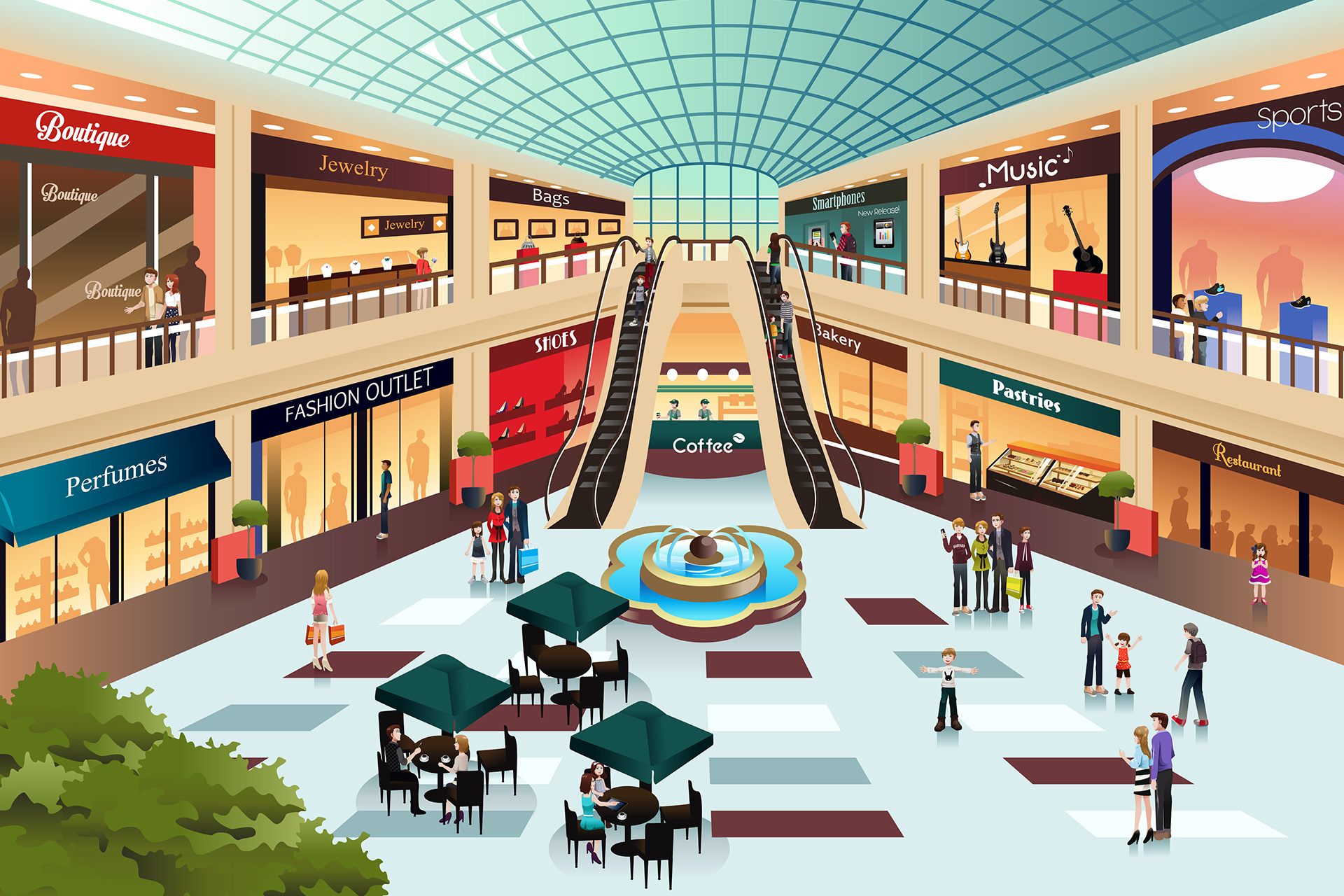
Indoor malls led traffic growth in 2025, outperforming open-air and outlet centers. Open-air centers saw strong holiday gains, while outlet malls lagged, according to Placer.ai. Analysts say malls must lean into experiential retail and family-friendly programming to stay competitive.
Saunders explained that 2025 store bankruptcies were not due to the economy; they happened because stores are not catering to consumers. He said retailers who use artificial intelligence to improve customer experience in 2026 will win but warned usage must include human interaction.
Key Themes for 2026: Redevelopment, Experience and Value
- Limited new development will lead to heightened competition for quality space; redevelopment and adaptive reuse will dominate.
- Experience and value will differentiate good stores from great stores, according to Placer.ai. Indoor malls should lean into entertainment and family-friendly programming. Open-air centers should capitalize on convenience and dining-led visits. Outlet malls should be repositioned as curated, experience-driven destinations.
- Tariff-driven cost pressures and household budget strain could influence leasing and expansion decisions, according to Kidder Mathews. Watch the job market and housing market as predictors of retail real estate trends.