Retailers are seeing strong mid-year performance, with steady or increased sales and foot traffic driving optimism. According to a survey by Levin Management Corp., 75% of retailers reported they met or exceeded 2024 sales figures. Despite this, retail sales slowed in June, which could suggest consumer caution amid economic uncertainty.
“June’s numbers indicate that prolonged uncertainty surrounding the economy, tariffs and trade policy could be pushing consumers to adopt a ‘wait-and-see’ approach with their household budgets,” said Matthew Shay, president and CEO of the National Retail Federation.
Despite the June slowdown, the outlook for retail real estate remains positive, with rising rents and a historically low vacancy rate in the first quarter (4.2%) – both indicating increased demand. In addition, investment volume increased 13% year-over-year, revealing more transactions and larger deal sizes, according to JLL.
Brick-and-mortar shopping centers have seen encouraging year-over-year trends, with increased visits and longer average visit durations, despite a decrease in June. This suggests an improvement in visit quality and consumer engagement.
But in the end, it is not traditional retail formats that will bring consumers to the brick-and-mortar door. According to an article by commercial real estate investor Ben Reinberg, these are the key trends shaping the retail real estate market of the future:
- Community-centric retail: The rise of remote work and the migration of people from cities to suburbs has created demand for walkable, self-sustaining “community hubs” with retail, coworking, entertainment and health and wellness spaces that reflect local culture and foster social engagement. To meet these needs, developers are leveraging location analytics such as geofencing and mobile data to pinpoint potential markets and optimize leasing strategies based on foot traffic, demographics and consumer behavior before they break ground.
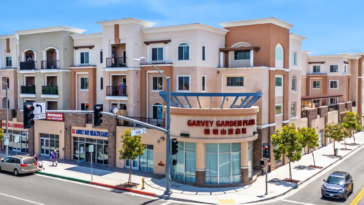
- Mixed-use developments as destinations: Brick-and-mortar retail can no longer be about shopping only; it must provide experiences that cannot be replicated online. Mixed-use developments that blend shopping, dining, entertainment, health and living can attract diverse consumers and result in prolonged visits. Examples include:
- Gather GVL, an open-air food hall in Greenville, S.C., comprised of repurposed shipping containers, which include food and beverage vendors, a central courtyard and a stage for live entertainment.
- AdventHealth Sports Park at Bluhawk in Overland, Kan., a 420,000-s.f. sports and entertainment complex with food, games and events for the whole family.
- Omnichannel integration: Consumers are embracing retailers that merge physical and digital touchpoints. Examples include:
- Buy online, pick up in store (BOPIS) enhances customer convenience and generates traffic to physical stores. Retailers are reframing establishments to include pick-up zones that support BOPIS.
- Contactless payments and self-checkout reduce waiting times and physical interaction.
- Personalization technology that integrates mobile apps and social media allows retailers to tailor promotions and inventory to individual consumers while driving them in-store.
- Sustainable and environmental-focused development: Retailers are rethinking their environmental footprint, opting for smaller, high-efficiency stores in strategic locations to maximize space and save costs. Developers are responding with green building practices, including energy-efficient HVAC systems, solar panels, LED lighting and the use of eco-conscious materials.
According to Reinberg, retail spaces with innovative technology, adaptable layouts and sustainable features will command higher lease rates and longer tenant commitments.
Overall, the retail real estate market remains resilient despite a June slowdown. While it is too soon to tell if sales will wane due to economic uncertainties, one thing remains clear: developers who understand the trends shaping the future of the market will be well positioned to capitalize on them.