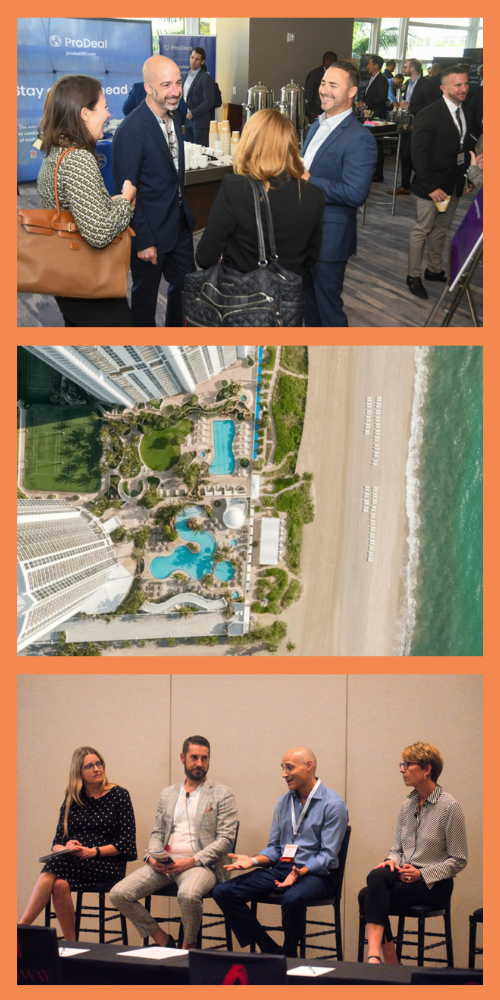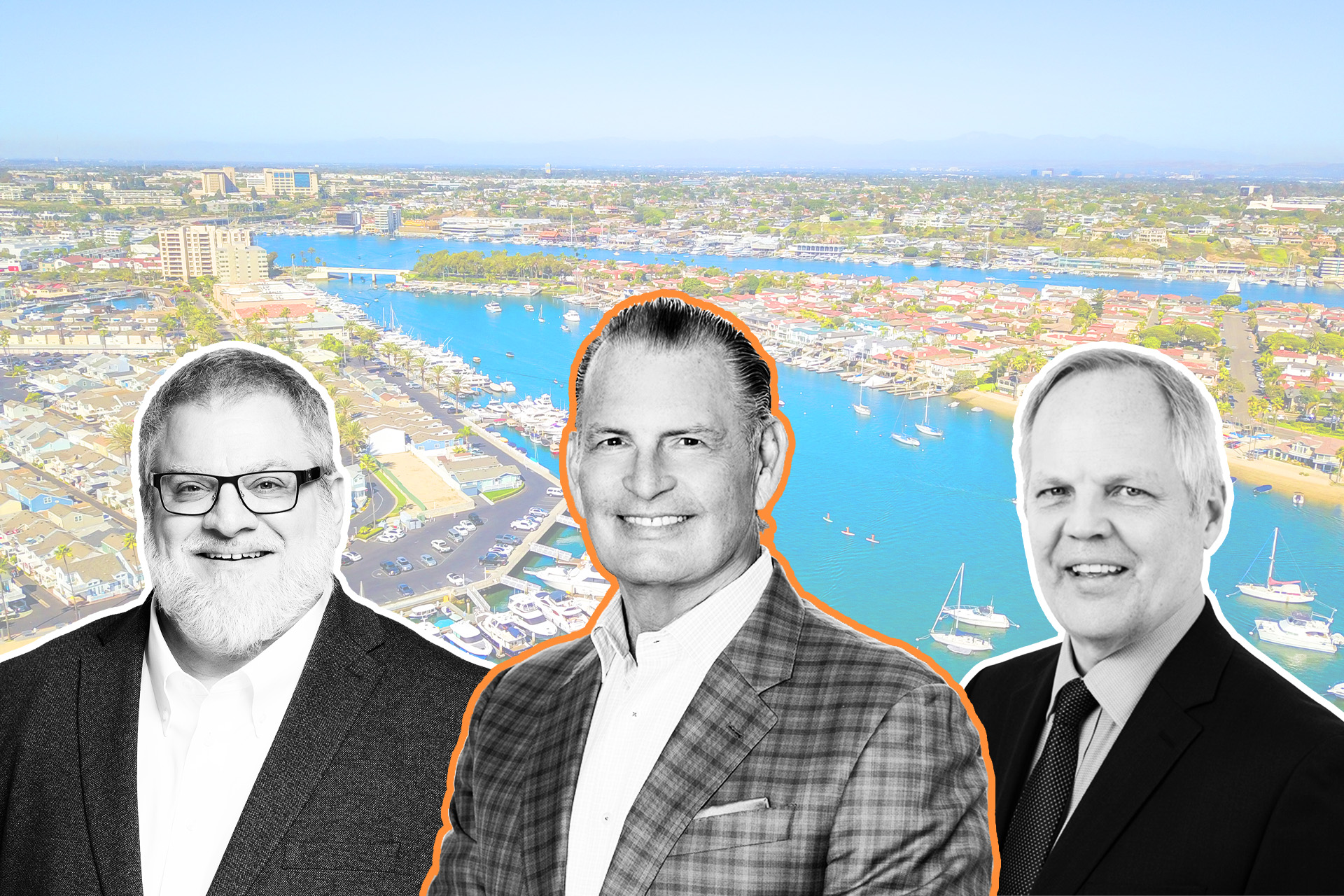
We asked the moderators from our upcoming 2026 Crittenden Report Finance Conference their overall predictions for commercial real estate in 2026 and the biggest changes or trends they will see next year versus the past few years. The conference will be held in Newport Beach, Calif., on May 5-7. Here is what they had to say:

Gary Bechtel, CEO, Red Oak Capital Holdings
I see a generally improving lending environment, both from a capital availability, as well as interest rate standpoint. We are already seeing rates falling at both ends of the curve (SOFR and Treasuries) and I see this trend continuing into 2026, putting downward pressure on rates for construction, bridge and permanent loans. Capital availability should be good, though the lingering effects of COVID on the office sector continue to hamper its recovery, with most lenders still experiencing higher delinquencies in this asset class, necessitating loan restructures and extensions in addition to foreclosures. There is a tremendous amount of loan maturities in the coming years, though falling rates should help make these easier to refinance.
Multifamily and industrial will continue to be the preferred asset classes, though in some markets even these are showing signs of weakness. Depending on the market, retail, self-storage, manufactured housing and hospitality continue to perform well, and I see these trends continuing in 2026, especially in newer growth markets. The continued boom of AI and data centers (really an infrastructure play versus a real estate play in my view) will continue and probably only be constrained by power availability (can you say nuclear?).
The easy answer is the use of AI in various aspects of the business, including lead generation, due diligence, underwriting and others. I think one of the other things that we will see, and are already seeing, is otherwise traditional lenders participating in non-traditional parts of the business, think life companies providing or buying bridge loans and non-bank lenders providing long-term capital. The market has become very fluid with participants routinely providing direct capital, participating, investing or buying loans from others in sectors that they have historically not been involved in, either to generate greater returns, offset obligations, create diversification, etc. I see this continuing in 2026 and the foreseeable future. I also believe that you will continue to see an expansion of the non-bank lending space, which has continued to expand and provide liquidity as more traditional lenders have withdrawn or become conservative in the types of loans they will make and who they will lend to, such as bridge and construction loans.

Vic Clark, Senior Managing Director, Lument
Overall lending will continue an upward ramp during 2026 as rates stabilize and possibly decline. Acquisition volume is steadily increasing, and the lending community, agencies, CMBS, debt funds and life companies, will step up to meet the increased volume. Both Fannie and Freddie have a 20% budget increase for 2026. Markets continue to stabilize as new construction is being absorbed and limited new inventory is available over the next two to three years. 2026 should reflect a strong lending environment and great opportunities for investors.
Acquisition activity will rebound strongly, and capital sources will become more balanced as clients look for higher leverage outside of the agency norm. CMBS and life companies will capture more market share as clients seek improved service, reliability, quick response times and higher leverage.

Dan Gorczycki, Senior Director, George Smith Partners
I see an increase in overall lending volume (10% to 20%) due to a couple of factors on the demand side; owners believing that we are in the bottom part of the long-term Treasury range for interest rates, while the Fed cutting will ease up the short end of the lending curve.
More and more banks are becoming comfortable lending again as we get further away from the Signature and New York Community Bank debacles. Meanwhile, the death of the office building will be shown to have been overblown.
————
Keep an eye out for Part 2 of these predictions to run next week.