In this new series, we ask industry leaders in the CRE market how they entered the business and what they have learned along the way.
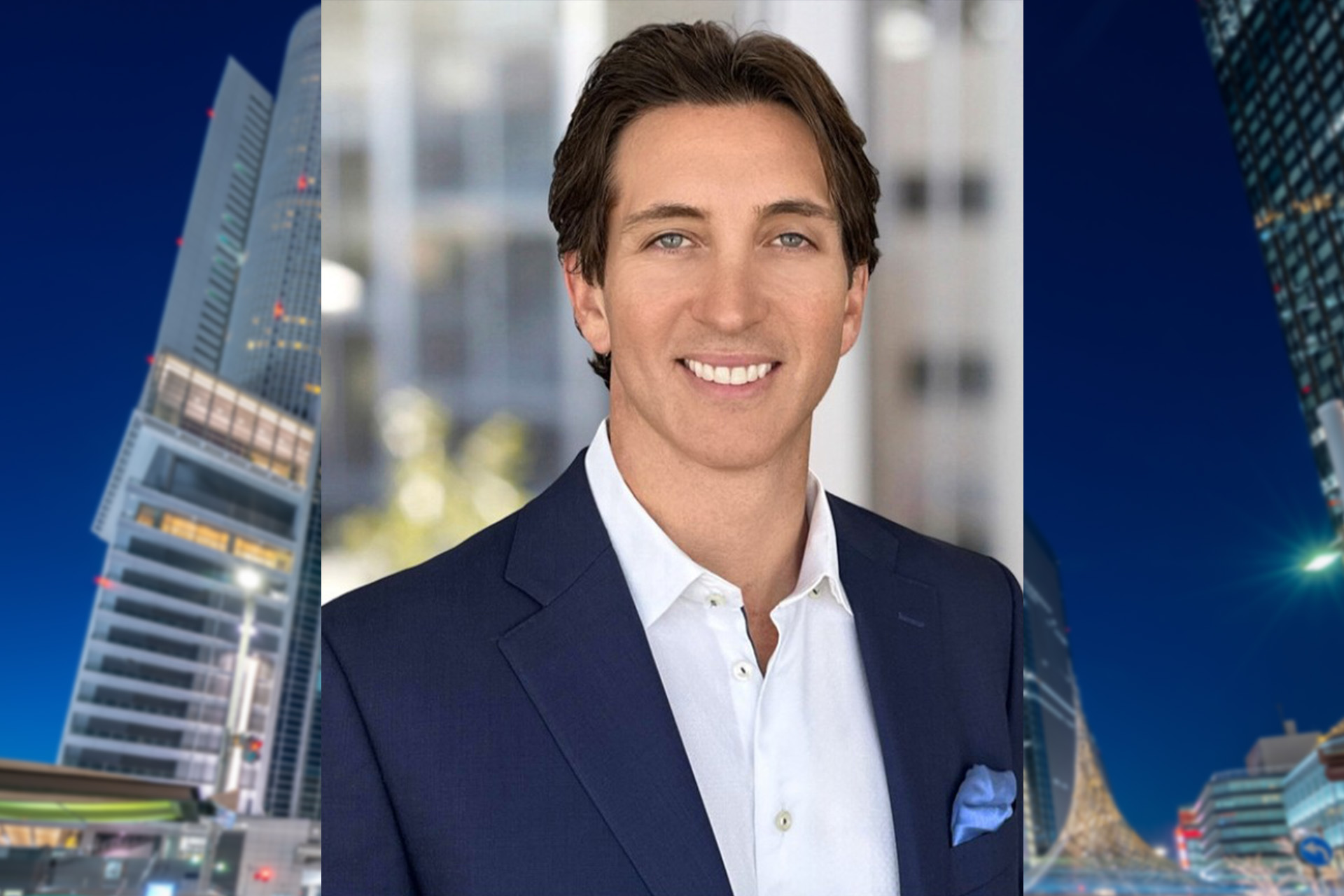
Ariel Mark is a real estate investment professional with experience leading investments and structured financings across the United States and Asia. As head of Western U.S. investments at Tokyu Land US Corp., he originates, underwrites and structures joint venture equity, preferred equity and mezzanine investments with leading U.S. operating sponsors, as well as manages strategic capital relationships. Previously, Mark held director-level roles at publicly traded European and Asian real estate companies, where he helped expand international investment platforms and deploy capital across Southeast Asia and the United States. He will speak at the Crittenden Report Finance Conference in May.
How did you get your start in CRE finance?
I began my career at a Los Angeles-based family office focused on real estate investments and finance before building an international career across Asia and Europe.
After earning my MBA at USC Marshall, I relocated to Singapore and Indonesia to join one of China’s largest publicly traded real estate companies, where I led project finance across Southeast Asia. That role gave me deep grounding in cross-border underwriting and deal execution, including a landmark $100M joint venture with Mitsubishi Estate Asia.
I later joined PIK, Russia’s largest publicly traded real estate company, where I led financing for international projects and further expanded my experience across complex, cross-border capital environments spanning Asia and Europe.
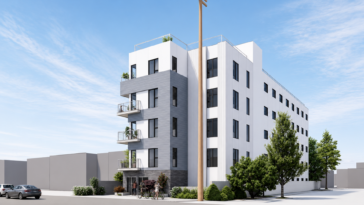
About four years ago, I returned to Los Angeles to join Tokyu Land US Corp., the U.S. subsidiary of Tokyu Fudosan Holdings, as it scaled its U.S. multifamily and industrial investment platform.
Across these roles, my focus has remained on structuring institutional real estate investments and connecting global capital with opportunities that demand disciplined underwriting, precise structuring and alignment across markets.
What do you enjoy most about working in this business?
What I find most compelling is the intersection of technical structuring and entrepreneurial platform building — translating complexity into clear, investable solutions. Over time, this has extended beyond executing individual transactions to help shape the frameworks through which capital is deployed and scaled across the institutions I’ve been part of. There is a lasting satisfaction in building systems and strategies that endure beyond any single deal.
What is the best advice you have received in your career?
A real estate entrepreneur shared two pieces of advice that have stayed with me: “Do not tell me how you feel unless we are kissing” and “Do every action with intent.”
While the first is memorable for obvious reasons, the two together carry a clear message: remove emotion from the investment process and operate with deliberate intent in every decision. That philosophy has shaped how I approach investing with an ownership mindset grounded in discipline and clear-eyed analysis.
What trends are you seeing in the market today?
The U.S. real estate market is navigating a significant wave of maturing debt from the post-COVID, low-rate era. As this capital reprices, dislocation across the capital stack — particularly in refinancing — continues to create targeted opportunities in real estate debt and structured finance.
Higher interest rates have slowed new multifamily development, even as demand remains consistent. This supply-demand imbalance, coupled with persistent affordability constraints, continues to support rental fundamentals.
In parallel, early signs of renewed capital inflows from Asia into the U.S. residential sector are beginning to emerge, particularly in multifamily housing. Institutional investors from Japan, Korea, Singapore and other parts of the region are increasingly attracted to the sector’s relative stability, transparency and income resilience, especially compared to slower growth and aging demographic profiles in their domestic markets. This trend is still developing but is expected to become a more meaningful source of capital deployment over the next investment cycle.