More stories

  • in ,

    SFR/BFR lending sees more conservative terms

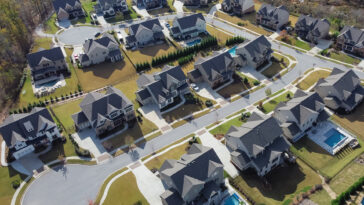
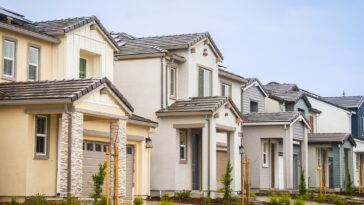
    Single-family rental (SFR) and build-for-rent (BFR) properties have both been super-hot the last few years. The pandemic especially pushed demand for these property types as people left the big cities and high-rise apartments in search of their own space. Expect plenty of available capital, albeit at more conservative terms. However, recent hurdles in the market have moved some lenders to the sidelines.  More

  • in ,

    Investors will target pref equity

    JV equity and pref equity will still be available but will heavily favor industrial and residential transactions. Some investors are on the sidelines given the uncertainty with cap rates, interest rates and inflation. Therefore, those that are active are more disciplined and conservative. Pref equity will be available from the usual suspects such as the debt funds, mortgage REITs and private equity funds. More

  • in ,

    Bridge lending less flexible over the last 12 months

    Borrowers will see available bridge capital, although many previously active players are now on the sidelines. The illiquidity in the market, particularly amongst the banks, will continue to apply pressure to bridge lending. Credit funds/debt funds that truly rely on their banks for financing to support that business, which has dried up significantly over the past 12 months, along with a significant widening in the cost of borrowing within a very short period of time, has pulled some lenders out of the market. More

  • in ,

    Agencies will lead the pack for affordable housing lending

    Affordable housing lending for construction and rehabilitation deals using low-income housing tax credits will be one area that remains less impacted by the volatility in the overall capital markets. The recent bank failures demonstrate the importance of the agency lending programs, therefore, watch for developers and borrowers to look more favorably at agency debt as More

  • in ,

    Cap rates will expand and peak in 2023

    Watch for capitalization rates to continue expanding for at least the next few months, according to a recent CBRE survey. The survey notes that cap rates could start to peak later this year and should decrease in 2024 as the end of the Federal Reserve’s rate-hiking cycle is anticipated. Capitalization rates —also known as cap More

  • in ,

    Construction lending constricts

    There will be available capital for construction projects this year, although count on much tighter underwriting and more cautious lenders. Recent shockwaves in the banking market could also hamper available capital for construction going forward.   Construction lending will definitely see a slowdown compared to the last few years. With the increase in rates, it’s harder More

  • in ,

    Construction lenders are tightening the screws

    The construction lending market will continue to be limited by concerns over take-out financing. However, lenders are eager to put out construction dollars, although borrowers will see tighter terms. Value is more difficult to underwrite, so expect construction lenders to be far more focused on cash flow and coverage constraints. Construction lending will be all More

Load More
Congratulations. You've reached the end of the internet.