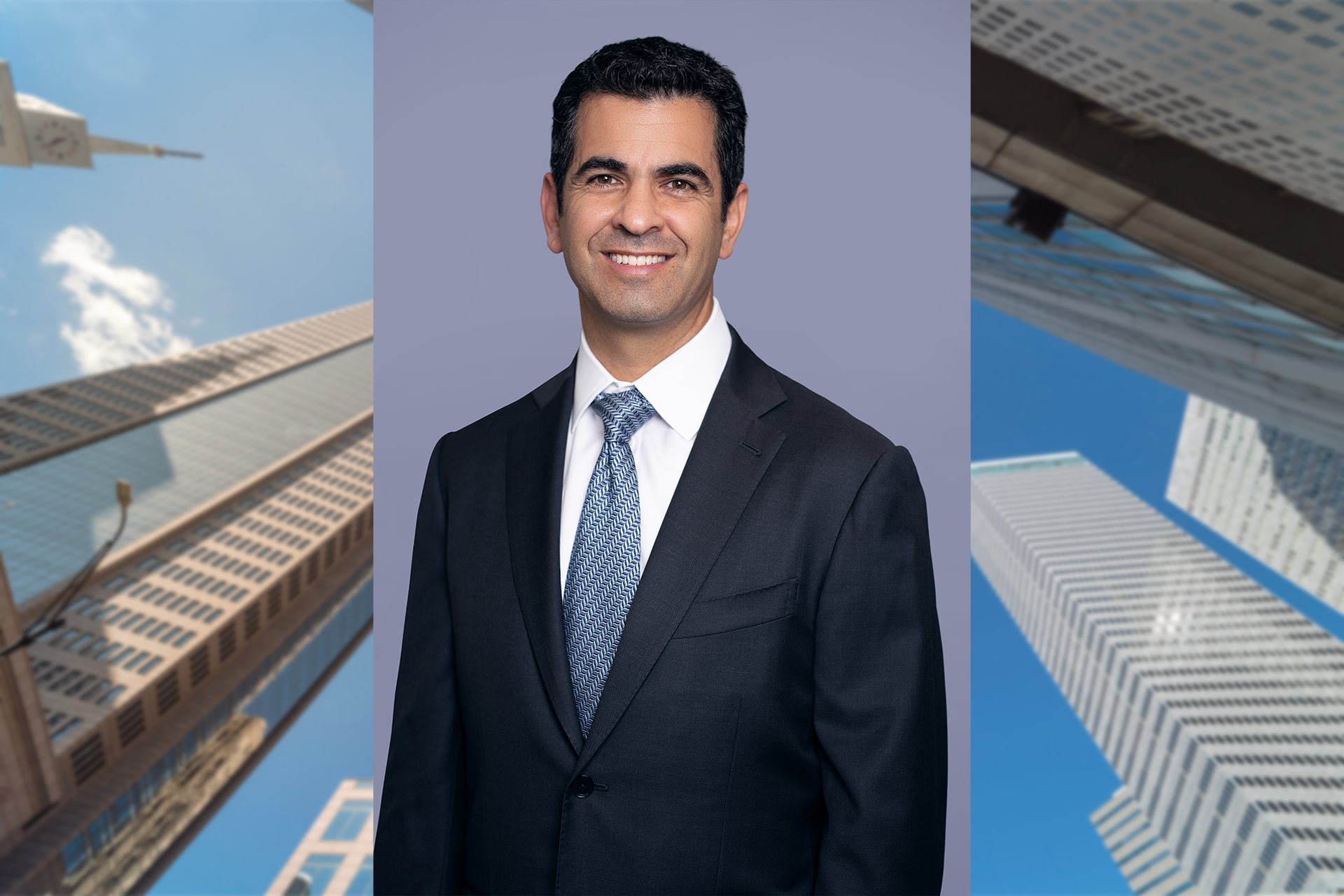
As deputy chief investment officer at 3650 Capital, Michael Fleischer leads the firm’s real estate credit solutions. He has more than 20 years of CRE experience, including prior roles as a managing director at RHRECS, a debt fund co-managed by Related Fund Management and HPS Investment Partners, where he focused on transaction origination, structuring, asset management and portfolio finance. Earlier in his career, he was a principal investor and lender with Canyon Capital and Links Capital Partners and spent more than eight years as legal counsel at Sullivan & Cromwell and Gibson, Dunn & Crutcher.
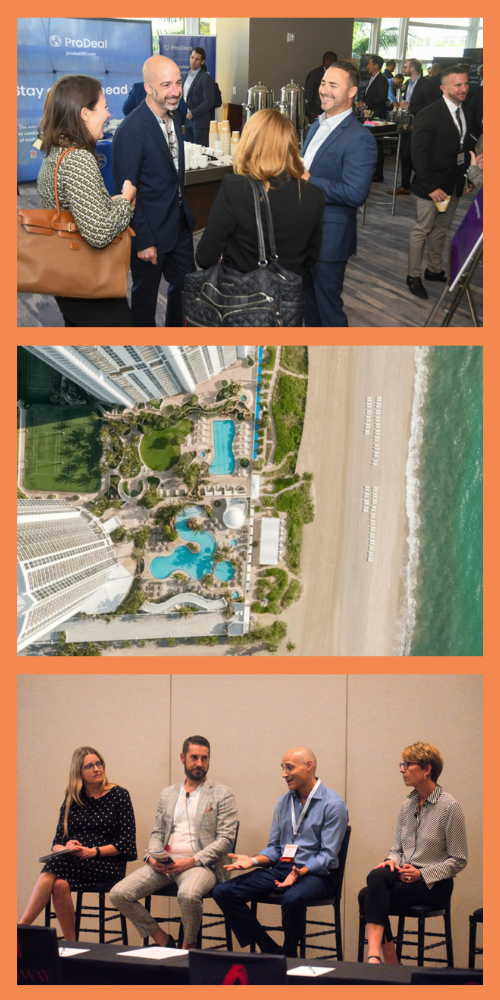
We sat down with Fleischer at The Crittenden Report Finance Conference in May to discuss the current investment climate and to find out what he enjoys most about working in CRE. Here is what he had to say:
What signals are you watching most closely in today’s market?
Treasury rates, which have a direct bearing on cap rates and valuations; mid-term elections; the growing divide between business-friendly and higher-tax states; geopolitical events and their impact on demand drivers; and technological changes and their impact on the uses of real estate.
How are you positioning your strategy differently than a year ago?
We spend a great deal of time predicting economic trends — including job growth, population movements and the impact of technology on the use of real estate — and, as a result, our investment strategy is constantly evolving. At the same time, we undertake an extremely granular analysis of every investment opportunity to make sure we are fully informed about the specific factors that will determine the success of individual investments. While macro trends inform the background for all our investments, we focus intently on the merits of each individual investment and tend to avoid buying into market trends.
Where are you seeing the most opportunity over the next 12 months?
Recapitalizing over-leveraged assets and investing alongside distressed capital providers.
What do you enjoy most about working in this business?
The very personal nature of real estate and how its relationship with people drives outcomes. At the end of the day, real estate developments are built to be used by people. There’s a series of basic questions that drive the outcome of every single investment: Do people want to live there, work there, shop there or vacation there? If so, what are their other options and how much are they willing to pay to be there?
No matter how sophisticated our financial modeling and research become, these basic questions of human behavior still drive the outcome of nearly every investment in our industry. It’s not just about numbers on paper, but about people and what makes sense and doesn’t make sense to them. To me, that is what makes real estate investment interesting and makes our jobs so rewarding.