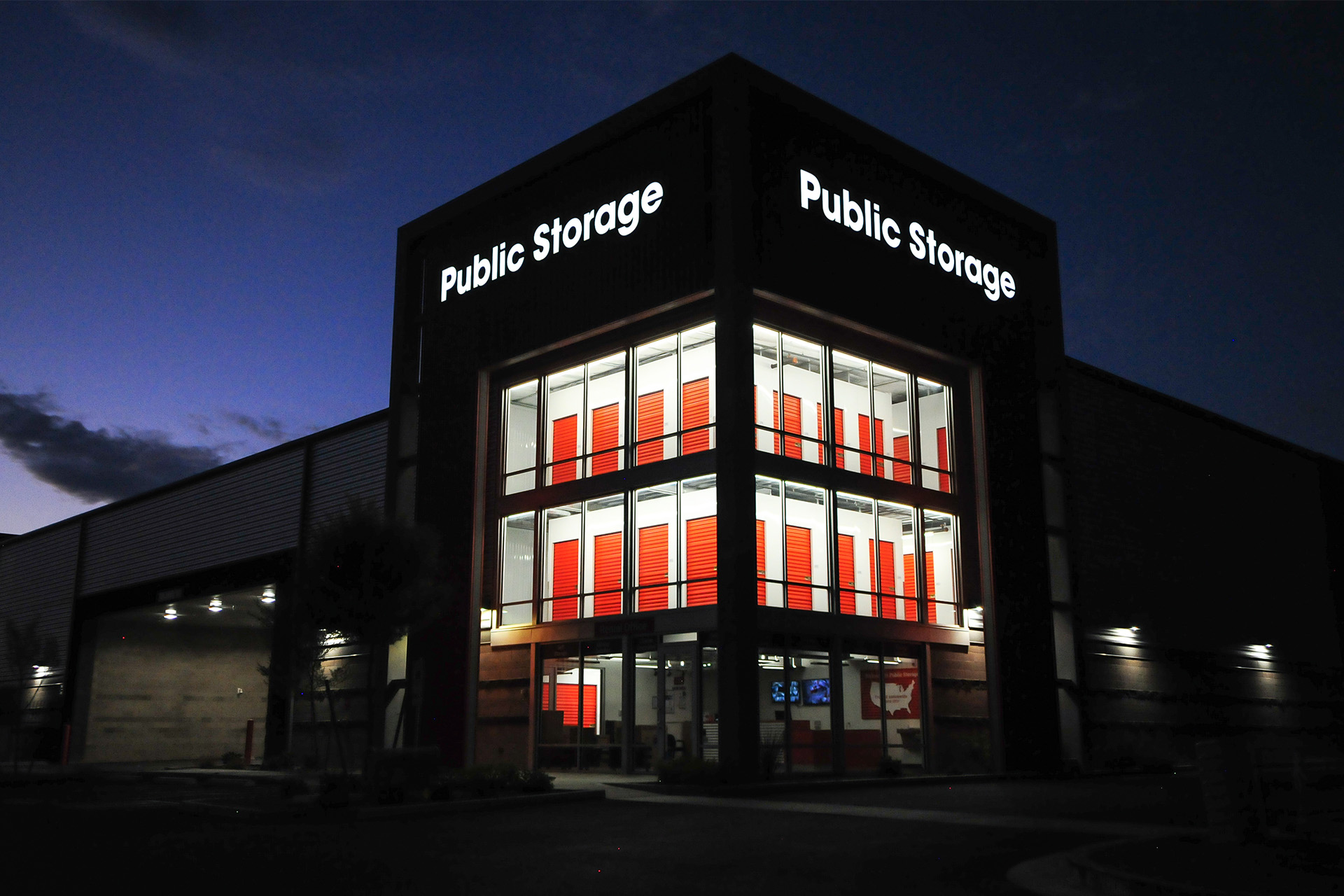
We asked Brandon Cooke, SVP of Rosewood Property Company — a national self‑storage owner with 85 facilities totaling 6 million s.f. across 23 states — to share his predictions for the self-storage market in 2026. Here is what he had to say.

In 2026, the self-storage market is expected to return to more normalized operating fundamentals, with industry NOI growth projected in the low single digits.
Move-in rents have begun to trend positively on a year-over-year basis, signaling a healthier revenue mix following a period in which growth came primarily from rate increases on existing customers. This stabilization should help restore investor confidence and drive increased transaction activity across the sector.
At the same time, softer top-of-funnel demand will place greater emphasis on operational execution. Marketing and pricing sophistication will be critical, and the performance gap between large operators and smaller peers is likely to widen as larger platforms continue to invest aggressively in AI- and machine learning-driven revenue management and price optimization tools.
The industry’s primary challenges remain elevated new supply and limited customer mobility tied to a sluggish housing market, both of which have tempered demand in recent years. However, new development activity has meaningfully declined, setting the stage for improving operating fundamentals at existing facilities.
These trends are unfolding unevenly across the country. Sun Belt markets, which captured an outsized share of new construction during the last cycle, continue to experience softer conditions as they absorb excess supply. In contrast, markets that were active earlier in the development cycle have worked through new inventory and are now better positioned for more sustainable growth as supply-demand dynamics normalize.
Cooke’s outlook aligns with broader market indicators showing a sector that has cooled from pandemic highs but remains fundamentally resilient.
A recent report from Yardi Matrix supports his observations:
- Weak demand tied to historically low home sales and supply pressure in several markets and submarkets.
- Slow but positive rent trends, with national rents up 0.3% year-over-year and climate-controlled units outperforming.
- Uneven metro performance, with positive rent growth in New York City, Washington, D.C., and Boston and negative rent growth in Denver, Portland, Ore., and San Diego.
- A stabilizing supply pipeline, with national inventory under construction flat year-over-year and several Sun Belt markets — including Miami, Tampa and Phoenix — still oversupplied.
Demand dynamics also vary widely by market.
Guthrie Garvin, managing director at JLL, pointed to Long Island’s limited supply when referencing the sale of The Storage Vault in Bellport, N.Y.
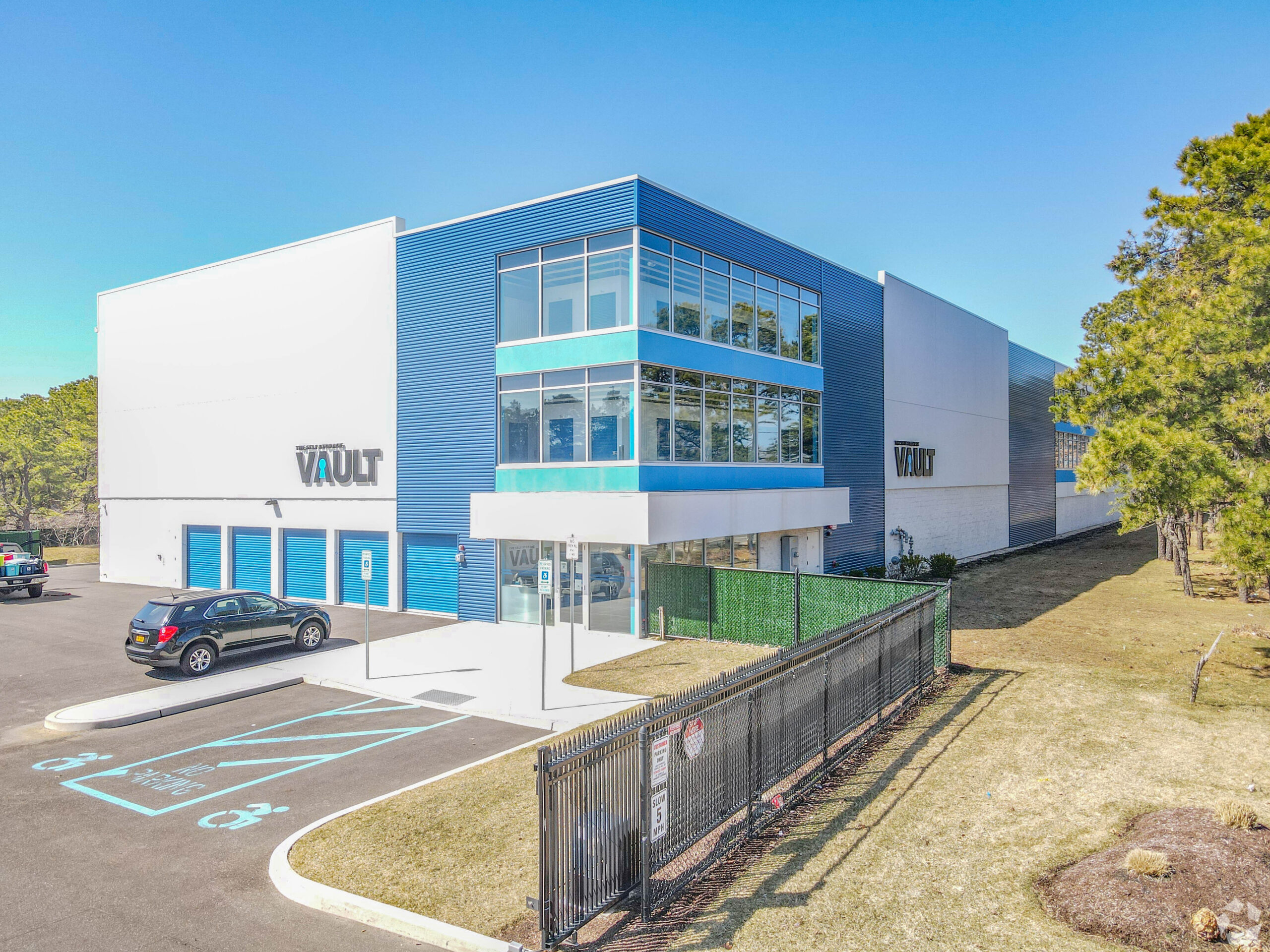
“The minimal competition within the market — only 4.43 s.f. of self storage per person within five miles — combined with barriers to new development makes this an exceptionally well-positioned asset,” he said.
In Charlotte, N.C., transaction activity has been muted over the past two years, but interest remains strong.
“Charlotte saw a great turnout given limited transaction volume in the market the last two years. It’s a primary Sun Belt market, and many storage owners and operators were eager to enter and expand within it,” said Matt Wheeler, director of capital markets at JLL.
Supply constraints are also shaping fundamentals in major coastal markets.
“The Los Angeles MSA is particularly supply constrained when compared to the national average,” said Ross Karetsky, associate director of acquisitions at Intercontinental Real Estate, in a press release. “Only five s.f. of self-storage product exists per capita within the LA metro, while the national average totals between 10 and 13 s.f. per capita.”
Cooke noted that larger operators’ investments in AI‑powered revenue management are creating a widening performance gap between large and small platforms.
A recent Crittenden Report article, “Self-Storage in 2026: Stability and Optimism,” echoed this point. The article highlighted technology adoption as one of 2026’s defining themes. Storable survey data showed that 31% of operators view new market entrants as their top concern, citing technology’s role in lowering barriers to entry while raising customer expectations. With customer acquisition and retention as a primary focus, 78% of operators plan to enhance the customer experience through automation and smart systems next year, including automated billing, real‑time analytics, AI pricing, demand forecasting and smart‑lock integration.
Competition is also increasing as new institutional players enter the space. A December 2025 Crittenden Report article, “Intercontinental Real Estate enters the self-storage space,” outlined the firm’s rationale.
“Self storage has emerged as a compelling institutional alternative investment. This opportunity marks a strategic entry point for expanding our exposure to what we believe to be a high-performing asset class poised for continued growth,” said Jessica Levin, managing director for Intercontinental’s West Coast operations.
In conclusion, experts agree that the industry remains stable, but success in 2026 will depend on execution, operational discipline and technology‑driven strategies. It will be a strategically driven, operationally demanding year — one where, as Cooke emphasizes, execution matters more than ever.